

Childrens Twin Bunk Beds
Twin bunk beds are a kids' furniture essential. They are extremely versatile and can be adapted to teenagers through the years.
Consider the size, age, and design of your child's bedroom when selecting a bunk bed. Make sure the bed is a good fit for your child's mattress and has adequate headroom. Also, consider the way that the beds can be used to create separate spaces in a room for two brothers.
Size
Bunk beds are spaces-saving sleeping solutions for children rooms, freeing up areas that would normally be used by single twin mattresses, foundations or box springs. Bunk beds also provide an opportunity to add additional storage features like built-in drawers or trundles. Bunk beds are available in classic Mission designs as well as modern contemporary and transitional styles that blend solid wood construction with elegant and stylish finishes.
When choosing a children's twin bunk bed, consider the height of the top bunk to ensure that your child is able to safely sleep on the top. Consider the height of their current standing and how tall they are likely to grow in the coming years. Also, be sure to consider how confident they are in maneuvering around furniture. You can assess their confidence and ease of moving around furniture by watching them play with the outdoor playground equipment.
The majority of bunk beds are designed to fit a twin mattress that measures 38 inches wide by 75 inches long. Choose a Twin XL Bunk Bed for older teens or children to accommodate their larger limbs. A Full over Queen Bunk Bed that fits the Queen-sized mattress is a great choice for children with a wide age gap or siblings sharing a bedroom.
Choose a low-profile Twin Over Twin bunk bed for younger children. This will give them plenty of headroom in the bunk below. A lot of these models have side ladders or stairs that are located on the sides or front of the bed. Pick a bunk bed with stairs with angled ladders or entries. Front guardrails are also available.
For a more spacious sleeping arrangement, choose a Triple Twin over Queen bunk bed that can accommodate three or two adults to sleep comfortably. These are great for sharing rooms for children or as the ultimate sleepover headquarters. All of these options come with a desk underneath the upper bunk, which is perfect for studying, homework and playing. The Honey Mission Twin Over Full Stair Stepper bunk bed is a fantastic illustration of a stylish, practical option that includes a sturdy desk.
Material
Many bunk bed styles use wood, which adds warmth and a classic aesthetic to a child's bedroom. Certain models come with metal frames that provide an elegant, minimalist appearance. Bunk beds come with a variety of kinds of twin mattresses. The most popular is the twin over twin configuration that takes up the smallest amount of floor space and can accommodate two young children or siblings sharing the same room. The twin over full bunk is another popular option. It can accommodate two older children or teens who require a bigger sleeping area.
You can also find bunk beds that have different kinds of trundle beds, which are a great way to add more sleeping space without taking up too much space in the bedroom of your child. Some bunk beds allow an additional mattress to be added on top, while others come with an opening drawer that's perfect for storing extra blankets and pillows. Bunk beds that have futons can be transformed into a cozy seating area for guests.
There are also numerous options of finishes and colors to pick from when you are looking for a brand new twin over full bunk bed. White bunk beds are a fantastic option for any interior style. Bunks built with solid birch are a fantastic option for those looking for a traditional bunk bed that's also incredibly sturdy. The espresso, gray, and oak finish creates an elegant look that is in line with traditional bunk bed aesthetics.
While it is important to think about the material used in bunk beds when you're buying it however, the overall quality of the furniture is just important. A sturdy structure is essential for bunk beds for children. They must be able stand up to years and years of use. Select bunk beds constructed of top quality wood that is durable or steel frames that are easy to keep clean and rust-resistant.
Bunk beds come with a variety of features, including attachable ladders or staircases to allow children to get to the top sleeping space. Some designs have themes, like Mickey Mouse or Star Wars to help them blend into the decor of a kid's bedroom.
Style
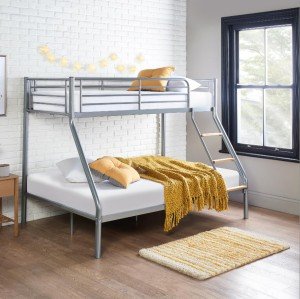
When it comes to kids' twin bunk beds, the design isn't solely about aesthetics. It also takes into account the changing demands of families with children of various ages. A twin over full bunk bed configuration, for example, offers a perfect solution for couples who want to pair an oversized twin mattress on the top with a huge full-sized mattress down the middle providing a perfect sleeping arrangement for children and growing siblings.
Bunk beds come in a wide range of styles to match any style of interior, from the rustic ambiance of a country-style or farmhouse home to the sleek contemporary of modern condos and apartments. Some come with built-in storage options that can maximize space and accommodate individual kids' bedroom necessities such as shelves, a desk or toys.
The design of twin bunk beds for kids creates a sense of shared affection between siblings, which allows them to build a stronger bond while they sleep. The vertical freedom of the design entices their imagination and can inspire them to turn their beds into forts, spacecraft projects, or castles--creating an unbreakable bond between each and lasting for all the time.
The bunk bed's utility and versatility isn't limited to children. They can be used by adults too. Certain bunk bed designs have a pull-out futon to accommodate guests or other loved ones.
It is crucial to know if your kids are up to the challenge. Your children must be able to climb up and down the stairs or ladder without any difficulty, and they should be aware of safety precautions when using a loft bed. A bunk bed is not the ideal choice for a child who has limited mobility.
The attractiveness of twin bunk beds over full bunks is their flexibility. They are no longer limited to bedrooms for children or dormitories they're now found in holiday homes, cozy cabins and even urban flatshares. They're an excellent way to make the most of small living quarters and effortlessly fit into multifunctional bedrooms that double as study areas, play zones, and social hubs.
childrens beds bunk for children are great space-saving solutions for shared bedrooms, but they need to be balanced with safety concerns. These security measures are designed to reduce the risk of injuries and accidents that result from falling, entrapment, or other dangers. It is important to take the time to install and maintain bunk beds, while implementing proper supervision and teaching children safe sleeping habits can reduce dangers.
Age restrictions: Children should only use the top bunk of a bunk bed when they are 6 years or older and possess the physical coordination and judgment to do so safely. It is not recommended that children who are younger use a bunk bed because they could fall off or become stuck while trying to climb the ladder.
Ladder positioning: The ladder must be firmly secured to the bunk frame and placed at a level that is safe to stop it from falling or tipping. It is important to teach youngsters to use the ladder correctly and to avoid horseplay around or on the ladder. It is important to inspect the ladder regularly for signs of wear, and replace or tighten any loose parts.
Rail placement: To avoid falls, the safety rails must be positioned on the sides of the bunk above. They must be placed at the minimum of 5 inches (13cm) above the surface of the mattress. Rails should be securely fastened to the frame, without gaps or loose connections. Regular inspections of the bunk bed must include examining the rails to ensure that they are in good working order.
Guard rail gaps: The distance between the guardrails (and safety rails) should not exceed 3.5 inches (9cm) to prevent children from getting their heads or limbs caught in these gaps. To test the gap size, you can pass an unreinforced circular sphere through the gap. This will make sure that the gap is not too big enough to cause neck or head trapping.
It is also a good idea to position the bunk bed away from windows, because this will prevent children from climbing onto or trying to reach the window sills and potentially falling out of the window. Keep all toys and clutter away from the bunk beds as they can encourage dangerous behavior and make it hard for children to reach their sleeping areas.